
Endless edge trim
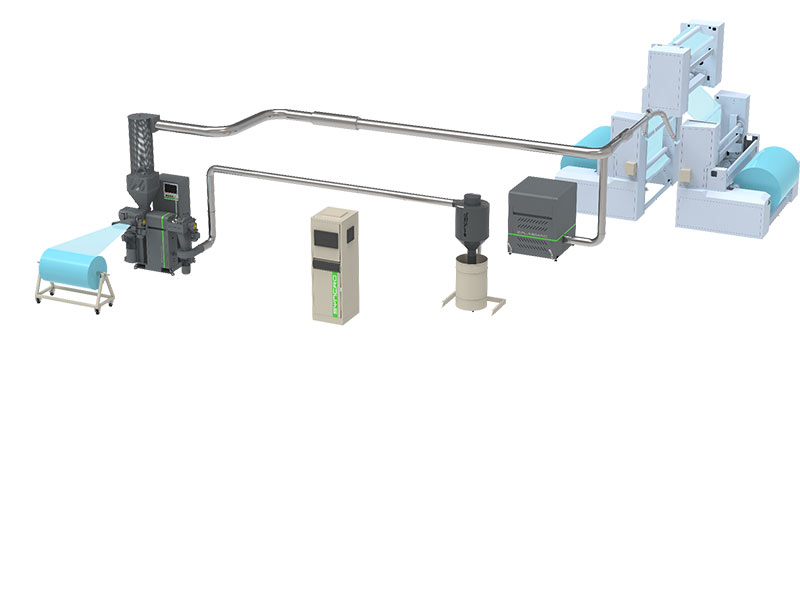
Edge trims are a constant reality in blown film production. Instead of treating them as waste to be collected, stored, and reprocessed offline, Plasmac solutions allow you to recycle them immediately. Our inline systems capture trims directly from the winder, repelletize them, and return high-quality granules to the main extruder hopper automatically, creating a true closed-loop manufacturing process.
Seamless inline integration
The efficiency of a blown film line depends on stability. Our edge trim recycling systems are designed to operate invisibly alongside your main production.
Trims are pneumatically conveyed from the haul-off unit directly to the recycling extruder.
There is no manual handling, no risk of contamination, and zero storage space required.
The result is a near-virgin quality pellet that can be dosed back into the film recipe at high percentages.
Tailored for every film line
Different film structures require different processing approaches to maintain their mechanical and optical properties.
PE blown film
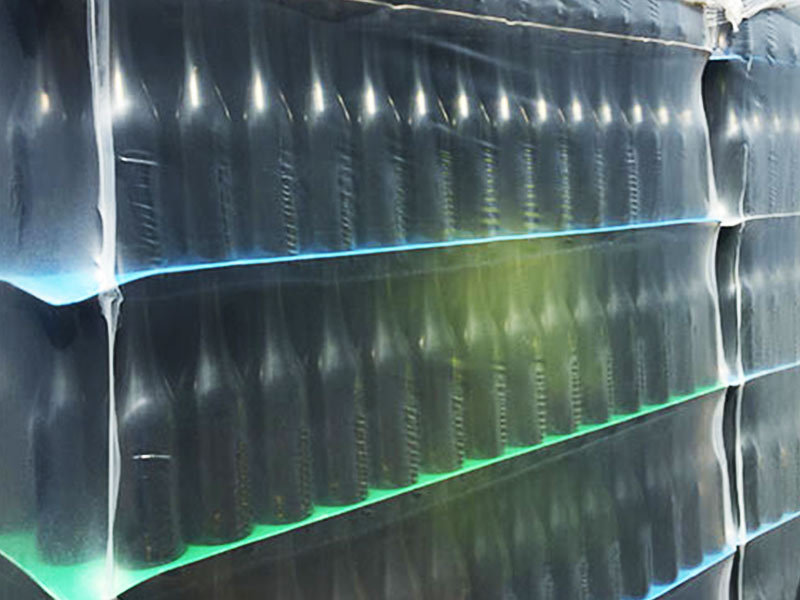
For standard LDPE, LLDPE, and HDPE production, maintaining the optical and mechanical integrity of the material is critical. Our extrusion technology minimizes shear and thermal degradation, producing recycled granules with a melt flow index (MFI) comparable to virgin material. This high-quality output enables consistent reintroduction into the film structure, ensuring process stability and uniform gauge control.
MDO film
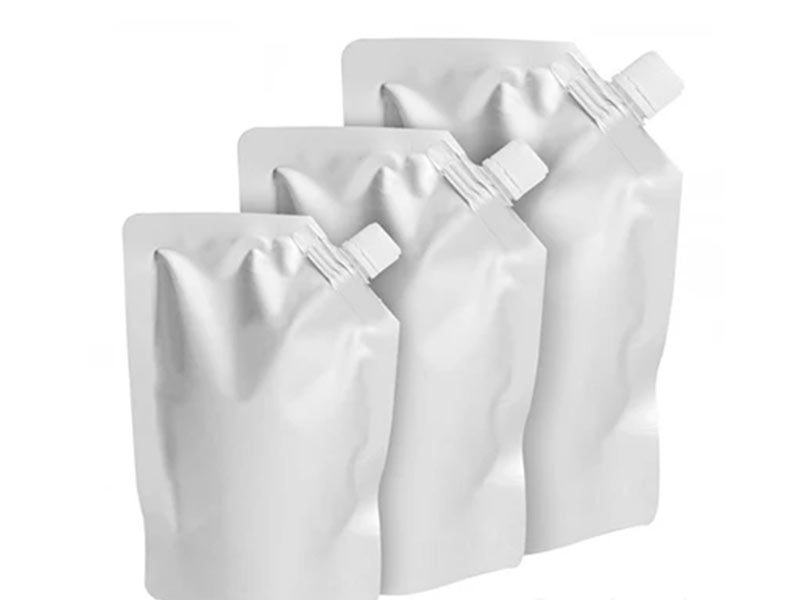
Machine Direction Orientation (MDO) lines produce films with enhanced strength and barrier properties. Recycling these trims requires precise temperature control to prevent polymer degradation. Our low-shear extrusion technology gently melts the oriented film, preserving the material’s viscosity so it can be successfully reintroduced into technical film formulations.
Agri film
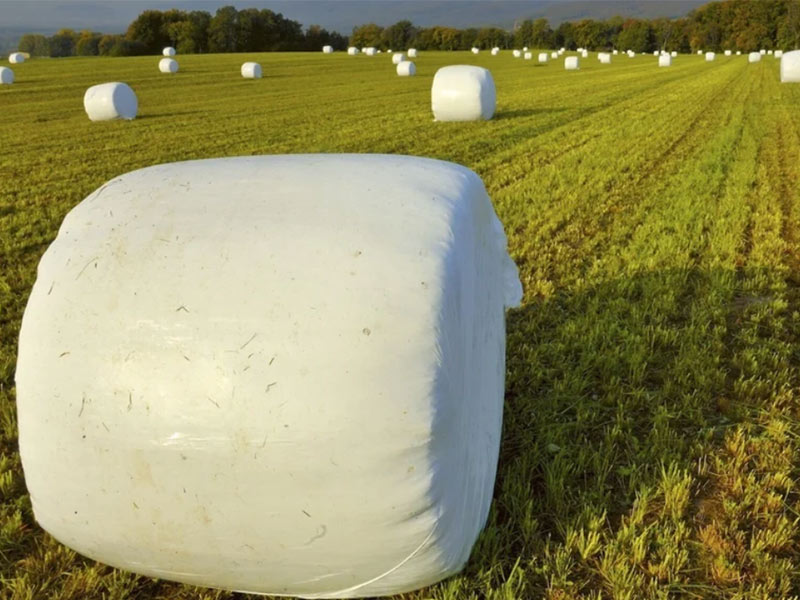
Agricultural films often involve larger widths, higher thicknesses, or specific additives (UV stabilizers). Our systems are robust enough to handle the higher throughputs generated by wide agricultural lines, ensuring that even heavy-gauge trims are processed efficiently into uniform pellets ready for immediate reuse.
The advantage of repelletizing
Direct reintroduction of low-bulk-density film flakes introduces significant process variables. Repelletizing standardizes the scrap, converting it into a raw material that behaves predictably in the primary extrusion line.
Gravimetric control
Film lines rely on precise gravimetric blending to maintain layer thickness and formulation costs. Shredded film scrap suffers from variable bulk density, which compromises dosing accuracy. Plasmac pellets provide a consistent bulk density matching virgin material, ensuring the gravimetric system can maintain exact blend ratios without fluctuation.
Extrusion consistency
Feeding lightweight flakes directly can lead to hopper bridging and surging in the main extruder screw, resulting in gauge variations in the bubble. By transforming trim into uniform granules, you eliminate feeding instabilities, ensuring a constant output pressure and a stable bubble profile.
Preserving film properties
The fear of using recycled material is often linked to a drop in mechanical properties. Plasmac overcomes this with engineering focused on material preservation.
Minimal heat history
Our “Short Screw Technology” minimizes the time the polymer spends in the extruder, reducing thermal stress.
Dust-free cutting
Precision pelletizing eliminates dust that could burn in the main extruder and cause black specks in the final film.
Air cooling
For most film applications, we utilize air-cooled pelletizing to ensure the granules are absolutely dry, preventing moisture-related defects in the blown film bubble.
Close the loop on your recycling line
Stop handling waste and start producing value. Let us design an inline trim recycling system for your blown film plant.