
Woven and textile scrap recycling
Manufacturing woven sacks, FIBCs (Big Bags), and non-woven fabrics generates high-tenacity waste that is notoriously difficult to process. Standard recycling equipment often struggles with the strength and elasticity of fibers and tapes. Plasmac provides specialized recycling systems engineered to cut, densify, and re-extrude resistant textile scrap, converting it back into high-quality granules ready for production.
Processing high-tenacity materials
Unlike standard packaging films, woven and non-woven materials are engineered for maximum strength. This tensile property poses a significant challenge for recycling equipment, which must be robust enough to handle the stress without jamming.
Preventing rotor wrapping
Long tapes and continuous filaments have a tendency to wrap around rotating parts, causing machine stoppages. Our recycling technologies feature specific rotor designs and process logic designed to prevent material from tangling, ensuring continuous operation even with loose tapes or long fibers.
Handling bulk and density
The waste stream in this sector varies wildly: from heavy, bulky lumps of start-up raffia to extremely lightweight, voluminous non-woven fabrics. Our feeding systems are designed to accommodate these extremes, densifying the material effectively to ensure a constant feed rate to the extruder.
Sector-specific capabilities
We handle the full range of industrial textile waste, processing clean post-industrial scrap into reusable raw material.
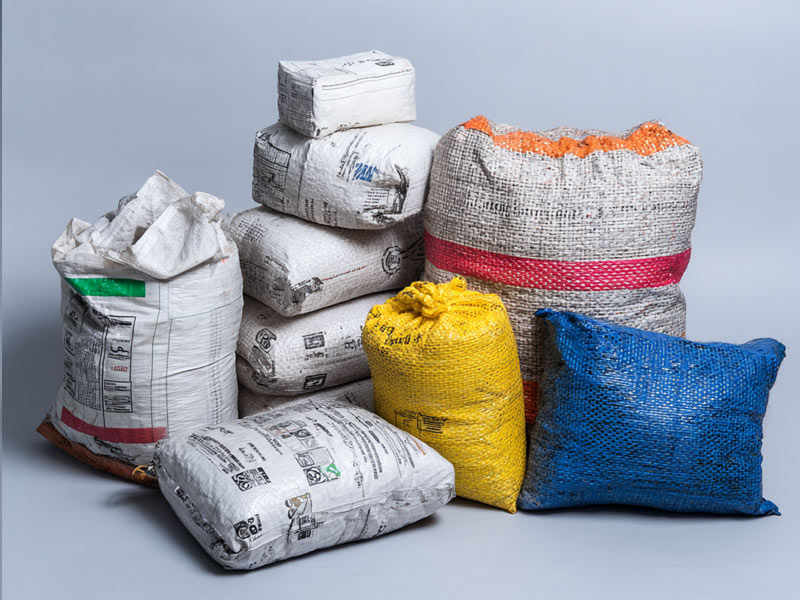
Raffia bags and tapes
Production waste from tape extrusion lines and circular looms (such as start-up bobbins, edge trims, and defective sacks) is valuable PP material. Our gentle extrusion process minimizes the degradation of the polymer’s properties, allowing the recycled pellets to be mixed back into tape production while maintaining the necessary tenacity.
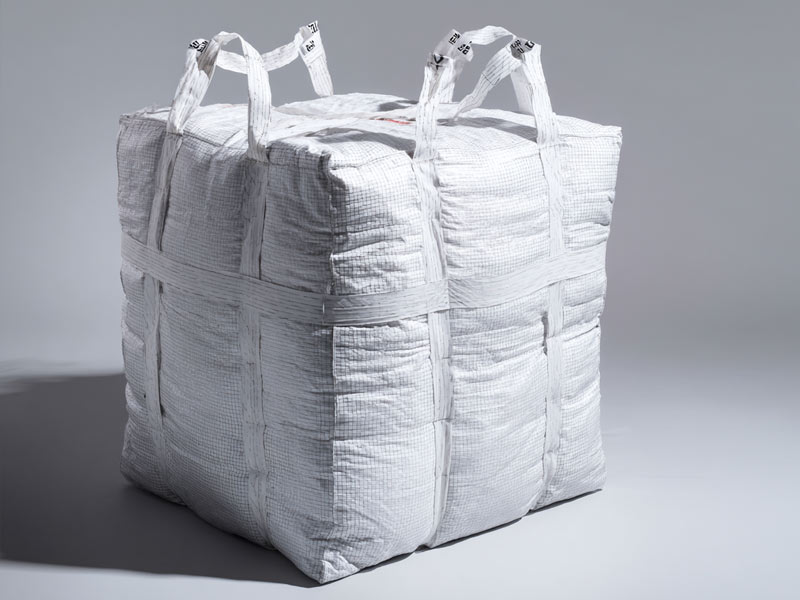
Big Bags (FIBC)
Flexible Intermediate Bulk Containers (FIBCs) are made from thick, heavy-duty PP fabric and lifting straps. Recycling off-spec FIBCs requires robust size reduction capabilities to cut through multi-layer folded fabric and webbing. Our systems ensure consistent processing of these tough components.
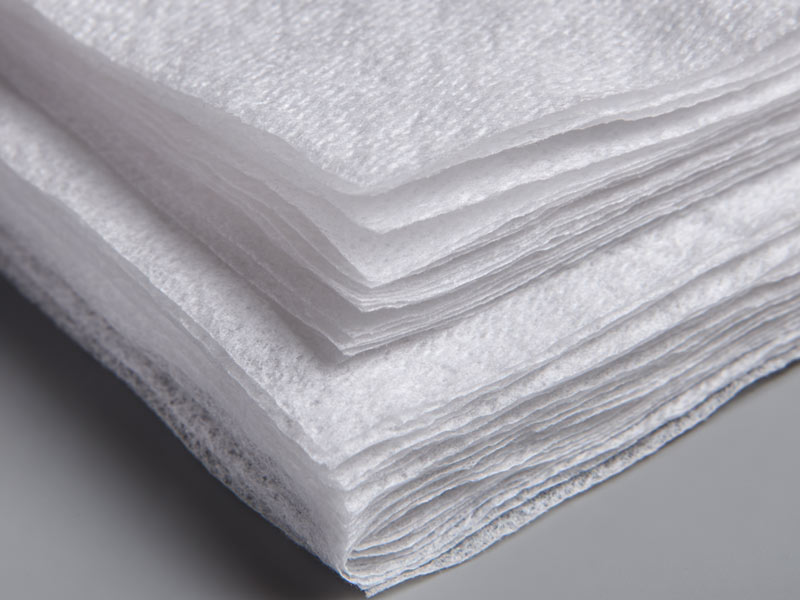
Non-woven fabrics
Used in hygiene and medical applications (spunbond/meltblown PP), this material is very light. Feeding it into an extruder is difficult due to its low bulk density. Our technology preconditions the material, forcing it effectively into the screw to ensure a stable output rate without bridging.
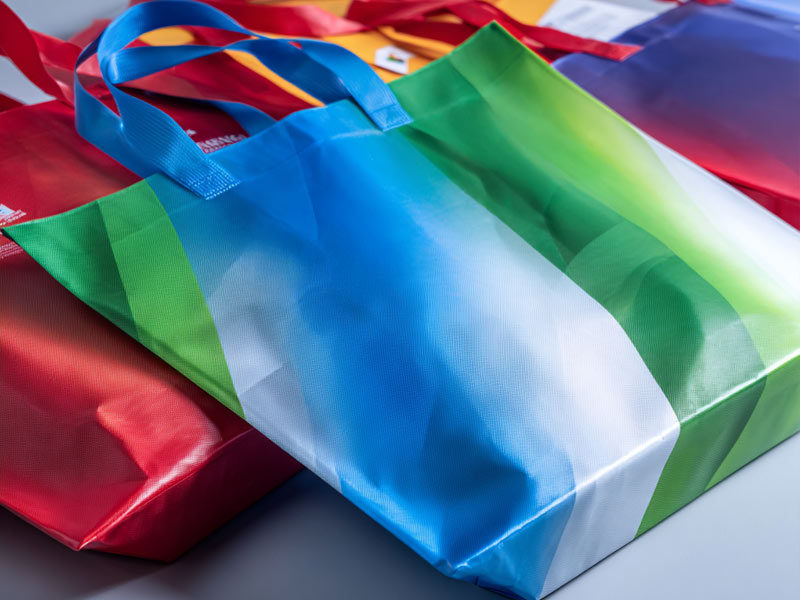
PP shopping bags
Reusable shopping bags often combine woven structures with lamination films. Our extrusion systems are capable of homogenizing these mixed structures, creating a consistent pellet suitable for injection moulding or general extrusion applications.
Engineered for fibers
Recycling textiles requires equipment that can withstand abrasion and high mechanical loads.
Wear-resistant components
Many raffia applications involve fillers like calcium carbonate or anti-slip additives, which can be abrasive. We offer wear-resistant components for our screws and barrels, ensuring equipment longevity even when processing filled PP materials.
Efficient filtration
Even in post-industrial environments, weaving processes can introduce dust or minor contaminants. Our continuous filtration systems ensure that the melt is clean before pelletizing, preventing issues in downstream production steps like fiber spinning or tape extrusion.
Reusability is key
The goal of recycling raffia and non-wovens is to reuse the pellets in primary application
Melt flow control
Textile processes are sensitive to viscosity changes. Spinning fibers or extruding thin tapes requires a stable Melt Flow Index (MFI). Our low-shear processing minimizes polymer degradation, keeping the MFI of the recycled material as close as possible to the virgin resin.
Recover your textile waste
Don’t let high-strength scrap break your recycling loop. Contact us for a robust solution for raffia and non-wovens.