
Blow moulding recycling
Blow moulding production inevitably generates significant volumes of scrap, from start-up lumps and handle flash (tops and tails) to rejected bottles and jerry cans. These hollow, bulky items present a handling challenge due to their low bulk density and high volume. Plasmac offers integrated shredder-extruder systems designed to ingest bulky parts directly, reducing size and repelling them in a single, energy-efficient pass.
Managing bulky production waste
In blow moulding, the ratio of scrap to finished product can be high, especially during color changes or machine tuning. Managing this waste efficiently is crucial for profitability.
Volume reduction
Storing hollow parts like 20-liter drums or automotive tanks takes up massive amounts of floor space. Immediate inline or near-line reprocessing is the most effective way to eliminate storage costs and keep the production floor clear.
Flash and tails handling
Production flash (tops, tails, and moils) is often thick and irregular. Conventional granulators can struggle with these dense pieces, generating excessive noise and dust. Our slow-speed shredding technology reduces these tough scraps efficiently with minimal fines generation.
Material-specific solutions
Our machinery is engineered to handle the specific rheology and physical characteristics of common blow moulding polymers, focusing exclusively on clean, post-industrial waste streams.
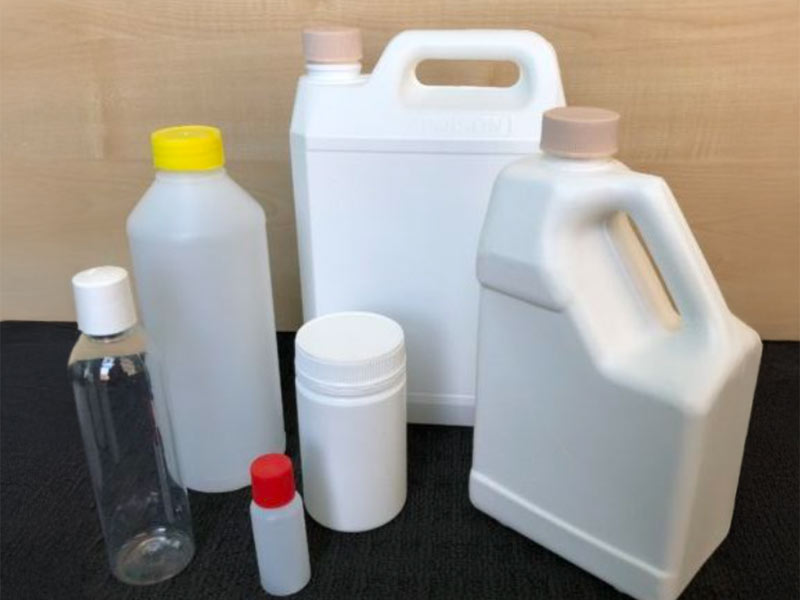
HDPE containers
HDPE is the standard for blow moulding, from small cosmetic bottles to large industrial jerry cans. Recycling production rejects and start-up lumps require careful thermal management to preventmaterial degradation. Our extruders maintain low melt temperatures, ensuring the recycled pellets retain the necessary toughness for immediate reuse in your production line.

PP bottles
Polypropylene is increasingly used for high-clarity or hot-fill applications. Recycling internal PP scrap requires ensuring that optical properties are preserved. Our high-vacuum degassing systems effectively remove moisture and volatiles from the melt, preventing haziness or bubbles in the final pellet.
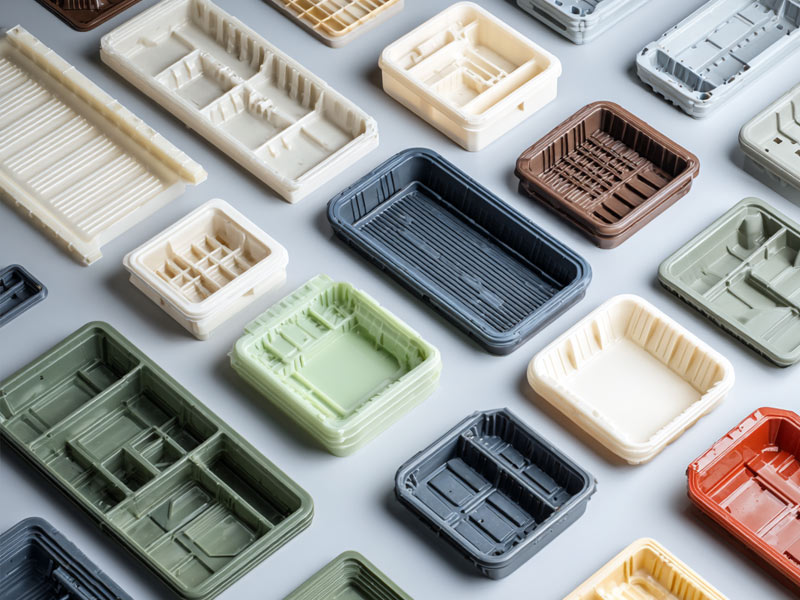
Flash recovery from head and tails
Moils, tails, and trim-offs constitute a continuous stream of clean, high-value material. Due to their irregular geometry and elasticity, these scraps are difficult to feed into conventional extruders. The Omega series integrates a shredding chamber directly above the extrusion screw, allowing for the efficient size reduction and densification of these bulky off-cuts without the need for pre-treatment.
One-step shredding and extrusion
For blow moulding applications, the Omega series is the industry standard. It combines a heavy-duty single-shaft shredder with an extruder in one compact unit.
No pre-cutting required
Operators can throw whole rejected bottles, huge purgings, or baskets of flash directly into the hopper. The shredder rotor prepares the material and feeds it directly into the extruder screw. This eliminates the need for a separate offline granulator and the associated conveyor belts, reducing energy consumption and maintenance.
Dust control
Grinding blow moulded parts often creates dust, which can contaminate the factory environment and the material itself. The Omega’s low-speed shredding action significantly reduces dust generation compared to high-speed granulators, resulting in a cleaner process and higher quality pellets.
Return to production
The ultimate goal is to reuse the scrap in the same product line.
Consistent bulk density
Regrinding bottles often results in a “fluffy” regrind with poor flow properties. Repelletizing converts this variable scrap into uniform granules with high bulk density. This allows for precise dosing at higher percentages in the main blow moulding machine without affecting the parison stability or wall thickness distribution.
Homogeneous melt
When recycling multi-layer scrap or mixed production runs, consistent viscosity is key. Our extrusion technology ensures a thermally homogeneous melt, preventing unmelted particles or viscosity variations that could cause weak spots or wall thickness issues in the final container.
Recover your blow moulding scrap
Don’t let bulky waste bottleneck your production. Contact Plasmac to design a recycling system tailored to your container size and throughput.